
Ibuprofen - The Missing Piece in Menstrual Health
Updated: Sep 25
Although menstrual pain is common and treatable, access to effective pain management is not equitable. The medication people use often depends less on what works best and more on what they know about or can access. In the field, we have heard directly from educators in Kenya that menstrual pain is one of the biggest barriers to girls attending school.
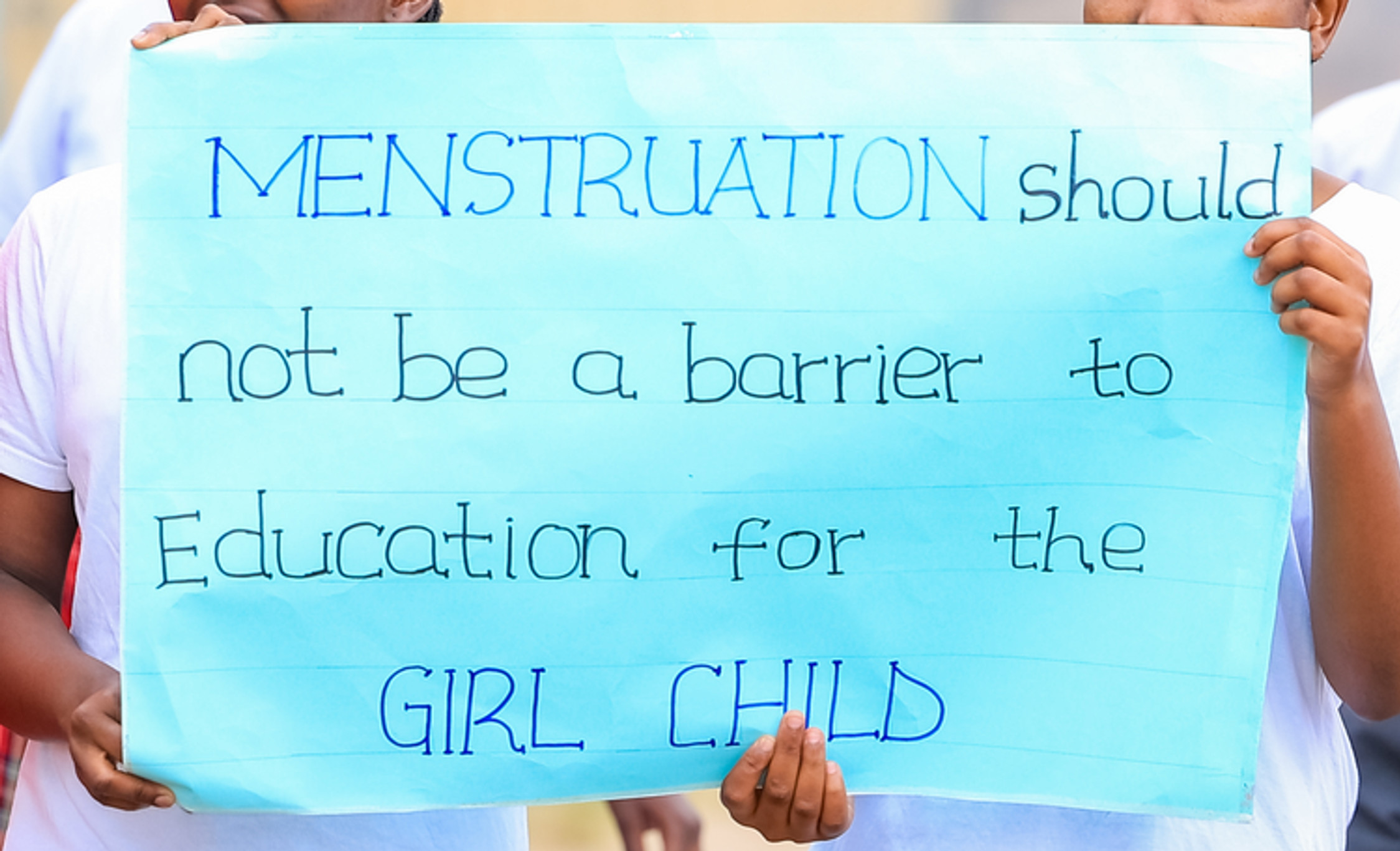
In Uganda, menstrual pain has been proven to be associated with increased school absenteeism. Students with poorer mental health, menstrual knowledge, and menstrual self-efficacy are less likely to use effective menstrual pain management and therefore more likely to miss school due to menstruation.
Preferred medications — What works best for menstrual pain?
Menstrual pain, or dysmenorrhea, is extremely common among girls and women. It is the cramping sensation associated with uterine contractions during menstruation, which helps the uterus shed its lining each month. Dysmenorrhea is largely driven by increased production of prostaglandins, hormone-like messengers made by the body that cause uterine contractions and cramps. Ibuprofen is widely considered the most effective over-the-counter medication for dysmenorrhea because it blocks prostaglandin production, directly targeting the source of the cramps. This isn’t the case for all over-the-counter pain medications, including Paracetamol.
Because not all pain relievers work equally well to relieve menstrual cramps, girls and women need accurate information on effective menstrual pain management so they can care for themselves.

Stories from the Field
Reflecting on a recent visit to Kenya in 2025, One Good Turn’s Executive Director and founder, Dr. Ann Messer, shared a real-life example of the harsh reality of menstrual pain and the power of pain management.
“One day we were in a very remote area — no water, difficult terrain, hard to get there.
We had worked so hard to reach this school, and then… our guide didn’t show up.
The whole project ground to a halt.
It wasn’t safe to go on without her. We waited.
Finally, late the next day, she arrived.
She said, “I’m so sorry. I had cramps. I couldn’t leave the house.”
She had pads. She was educated. She even had a car.
The barrier was her pain.”
The Broader Problem
A recent study conducted by Sivill et al. published in PLOS Digital Health analyzed over 211 million supermarket loyalty-card transactions from 3.4 million individuals over a 10 year period in England. Rather than asking people whether they experienced menstrual pain, they created a behavioral proxy:
menstrual products = tampons/sanitary pads
pain products = oral or topical pain relief
a "menstrual pain transaction" = a shopping basket containing both a menstrual product and pain medication
The group’s findings implied that most women were not purchasing the most effective medications for menstrual pain management.

27% of customers who purchased menstrual products also purchased pain relief in the same transaction. Two thirds of the medication purchased alongside menstrual products were paracetamol based while only one third were ibuprofen.
We know menstrual pain is common. We know people purchase medication to manage it. But what they purchase, and whether they purchase anything at all, reveals widespread gaps in education regarding menstrual pain management.
Addressing The Gap
Returning to Dr. Messer’s story from the field in Kenya, the profound impact of seemingly simple conversations regarding pain medication becomes apparent.
“I asked if she had ibuprofen. She said, “Brofen? Why?” — that’s what they call ibuprofen in Kenya.
I pulled some out of my backpack and gave it to her with the simple set of instructions.
The next day, she said words I’ll never forget:
“You’ve changed my life forever.”
She was in her forties. Nobody had ever told her how to treat her menstrual pain.
They had ibuprofen, but pain management isn’t part of menstrual hygiene protocols. It wasn’t being used for cramps.
That moment went to my core. Because if she hadn’t told me, I never would have realized.
I would have assumed everyone knew. They didn’t."
This experience led us to begin including ibuprofen, along with instructions for its safe use and storage, in every kit provided to our partner schools.

One Good Turn provides the SHARE program (School Health Agency, Resources, and Education), an evidence‑based health literacy training program for educators. Designed to address the leading causes of illness and death for school-aged children around the world, SHARE offers educational resources, skills-based training, and essential supplies that empower educators to initiate their own school health programs. The goal of our work is to improve the health literacy and agency of children in low-resource settings, breaking generational cycles of poor health outcomes.
Through this collaboration, educators can provide health education and support services to their students, reducing the burden on families navigating a strained healthcare system.
Since schools joined the SHARE program, the impact on menstrual health education and attendance has been significant.

One Good Turn’s Field Program Director in Kenya, Georgette Akinyi, shared
“Now, children are able to sit in class. Girls who used to go home due to menstrual cramps are able to learn since they now have the medicine (ibuprofen) to help in reducing pain and the inflammation.”
Below is a poem on overcoming menstrual stigma and shame, written by girls in a Student Health Club in one of our partner schools.
"They told me to whisper it, to hide it,
to fold it into silence, like it was something shameful.
But why? Why? Why?
It is my body. My body is not a secret.
It speaks in waves, it speaks in rhythms,
in a quiet drum beat that says:
you are growing,
you are changing,
you are alive and healthy.
So why should I shrink?
Why should I hide?
When my own body is teaching me how to endure,
teaching me how to rise,
teaching me how to flow through pain,
a cycle, a cycle that keeps showing up, again and again and again,
not asking for permission, not apologizing for existing.
And yes, some days it aches.
It feels like stones lying under my skin,
like heavy clothes sitting in my bones,
like I am carrying something invisible that the world cannot see.
But I feel it, I feel it, it belongs to me.
I will not whisper it, I will say it, I will stand with pride.
The cycle, the cycle is part of me."
The takeaway? Ibuprofen and menstrual pain education belong in every school health program and global menstrual health guideline so no girl misses class due to avoidable pain.
Share this blog with educators, health workers, and policymakers who shape menstrual health programs.
Learn more about One Good Turn's SHARE Program and how to support this work.


Comments